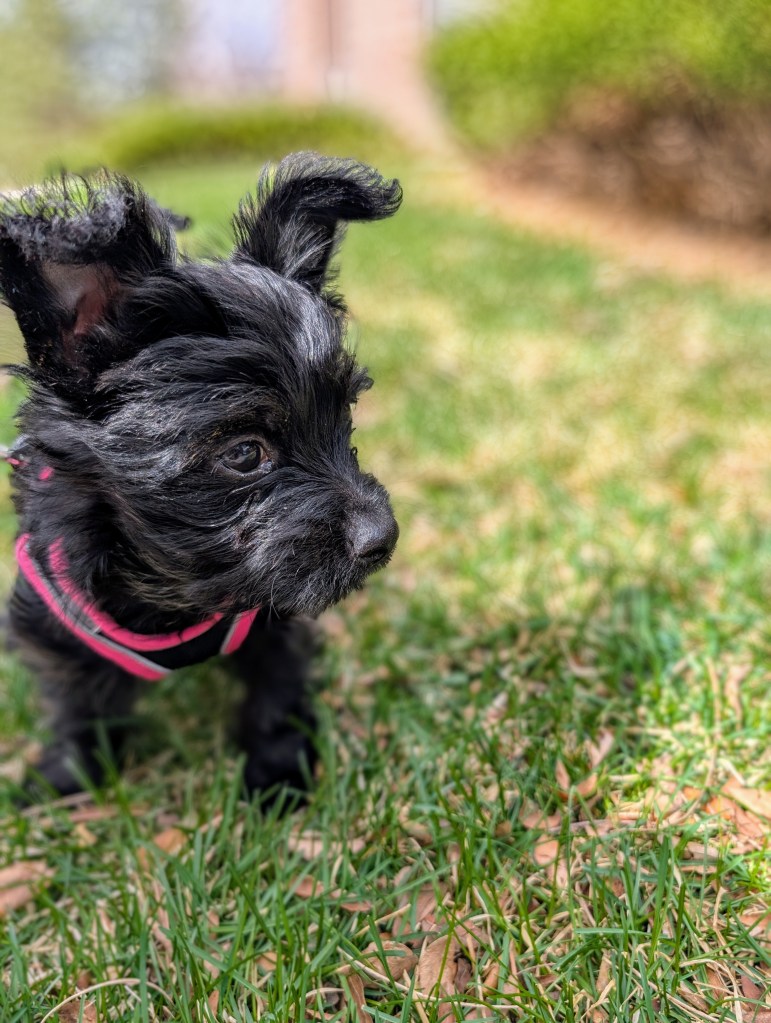
As much as we love our furry companions, accidents are bound to happen. Whether it’s a puppy who hasn’t yet mastered house training or an older pet dealing with incontinence, pet urine on floors is a common issue for many pet owners. The good news is that with the right approach, cleaning pet urine from floors can be relatively straightforward. In this article, we’ll provide a detailed guide to cleaning pet urine from various types of flooring, covering techniques, products, and tips to ensure your home stays fresh and clean.
Understanding Pet Urine and Its Effects on Floors
Before diving into cleaning methods, it’s important to understand why pet urine can be so difficult to remove. Pet urine contains compounds like urea, ammonia, uric acid, and creatinine. When urine is left on surfaces for an extended period, these compounds can break down, creating an unpleasant odor that can seep deep into the floor’s pores. In some cases, especially if the urine is not cleaned up quickly, it can lead to discoloration or even damage to the floor material.
The key to effective urine removal is to tackle the problem as soon as possible, ensuring that the floor is thoroughly cleaned and sanitized. A quick response not only eliminates odors but also helps prevent staining and floor damage.
Step-by-Step Guide to Cleaning Pet Urine from Floors
- Act Quickly
The first and most crucial step in cleaning up pet urine is to act fast. The longer the urine sits on the floor, the more likely it is to seep into the material and cause lingering odors. As soon as you notice the accident, immediately blot up the urine with a paper towel or cloth. Avoid rubbing, as this can push the urine deeper into the floor surface. Instead, gently blot the area to soak up as much liquid as possible. - Choose the Right Cleaning Method Based on Flooring Type
Different types of floors require different cleaning methods. It’s important to select the best approach depending on whether you have hardwood, tile, carpet, or laminate flooring.- Hardwood Floors: Hardwood is particularly susceptible to damage from pet urine due to its porous nature. If left untreated, urine can penetrate the wood, leading to staining, warping, and an unpleasant smell. To clean pet urine from hardwood floors:
- Blot up the urine as much as possible.
- Mix a solution of warm water and mild dish soap (or use a pH-balanced cleaner).
- Dampen a cloth or mop with the solution and gently clean the area.
- Dry the area thoroughly with a dry towel to prevent moisture from seeping into the wood.
- If the odor persists, try a specialized pet odor remover, ensuring it’s safe for use on hardwood.
- Tile and Grout: Tile is non-porous, meaning pet urine won’t seep into the surface, making it easier to clean. However, grout lines are porous, so urine can seep into them and cause odors if not properly cleaned. To clean pet urine from tile:
- Blot up the urine immediately.
- Use a mixture of warm water and mild dish soap or a pH-neutral floor cleaner to wipe down the tiles.
- For grout, apply a paste made from baking soda and water, then scrub it with a brush to remove stains and odors.
- Rinse and dry the area thoroughly.
- Carpet: Carpet fibers can trap pet urine, which can lead to long-lasting odors if not cleaned properly. To clean pet urine from carpets:
- Blot up the urine as soon as possible.
- Use a carpet cleaner specifically designed for pet urine or create a DIY solution by mixing equal parts white vinegar and water. Spray the solution onto the affected area and let it sit for 5-10 minutes.
- Blot the area with a clean cloth to remove the liquid.
- Sprinkle baking soda over the damp carpet to neutralize odors. Allow it to sit for 15-20 minutes before vacuuming it up.
- Laminate Floors: Laminate floors can also be damaged by urine, especially if the liquid is allowed to sit for too long. To clean pet urine from laminate flooring:
- Blot up the urine quickly.
- Use a damp cloth with a mild cleaning solution (avoid excessive water, as it can damage laminate).
- Wipe down the area gently and dry it immediately.
- Hardwood Floors: Hardwood is particularly susceptible to damage from pet urine due to its porous nature. If left untreated, urine can penetrate the wood, leading to staining, warping, and an unpleasant smell. To clean pet urine from hardwood floors:
- Use Pet-Specific Cleaners
While general cleaning products may work for surface cleaning, pet-specific cleaners are more effective at neutralizing odors and breaking down the urine compounds. These cleaners often contain enzymes that break down uric acid and other components found in pet urine, making them especially effective at eliminating stubborn smells. When selecting a cleaner, be sure to:- Choose one that is safe for your type of flooring.
- Test the cleaner on a small, inconspicuous area first to ensure it doesn’t cause discoloration or damage.
- Opt for eco-friendly or non-toxic options if you have concerns about chemical exposure for both pets and family members.
- Dealing with Stubborn Odors
Sometimes, despite our best efforts, pet urine can leave a lingering odor. To tackle stubborn smells, consider these additional tips:- Baking Soda: As mentioned earlier, baking soda is excellent for neutralizing odors. After cleaning the area, sprinkle a generous amount of baking soda on the affected floor. Let it sit for 15-20 minutes, then vacuum or sweep it up.
- Vinegar and Water: White vinegar is a natural deodorizer and can help break down the components of pet urine. Mix a solution of one part vinegar and one part water, spray it on the affected area, and allow it to sit for a few minutes. Then, blot the area with a clean cloth.
- Essential Oils: Once the floor is clean and the urine is neutralized, you can add a few drops of essential oils such as lavender, eucalyptus, or lemon to further deodorize and freshen the area.
- Preventing Future Accidents
After cleaning up pet urine, it’s also important to take preventive measures to avoid future accidents. Some tips include:- Train your pet: Consistent training, including crate training and establishing a regular potty routine, is essential for avoiding accidents in the home.
- Use puppy pads: For puppies or older dogs with incontinence issues, use disposable puppy pads to protect your floors.
- Consider a pet-friendly area: Create a designated area for your pet to relieve themselves, especially if you’re dealing with a senior dog or one with health problems.
- Professional Cleaning Services
If you’ve tried all the home remedies and the urine smell persists, or if the area of the accident is too large or difficult to clean, it might be time to call in a professional cleaning service. Many cleaning companies specialize in removing pet stains and odors from carpets and floors, and they have the right tools and expertise to handle even the most challenging cases.
Conclusion
Cleaning pet urine from floors doesn’t have to be a daunting task if you act quickly and use the right methods. By addressing the issue promptly, using the correct cleaning solutions, and maintaining a regular cleaning schedule, you can keep your floors looking great and your home smelling fresh. Whether you have hardwood, carpet, tile, or laminate flooring, there’s a cleaning method for every surface. Additionally, taking preventive steps, such as training your pet and using protective measures, can help reduce the frequency of accidents. So, the next time your pet has an accident, you’ll be well-prepared to handle the cleanup with ease.
 Verity Cleaning Company